Gobustan Weather & Climate Guide
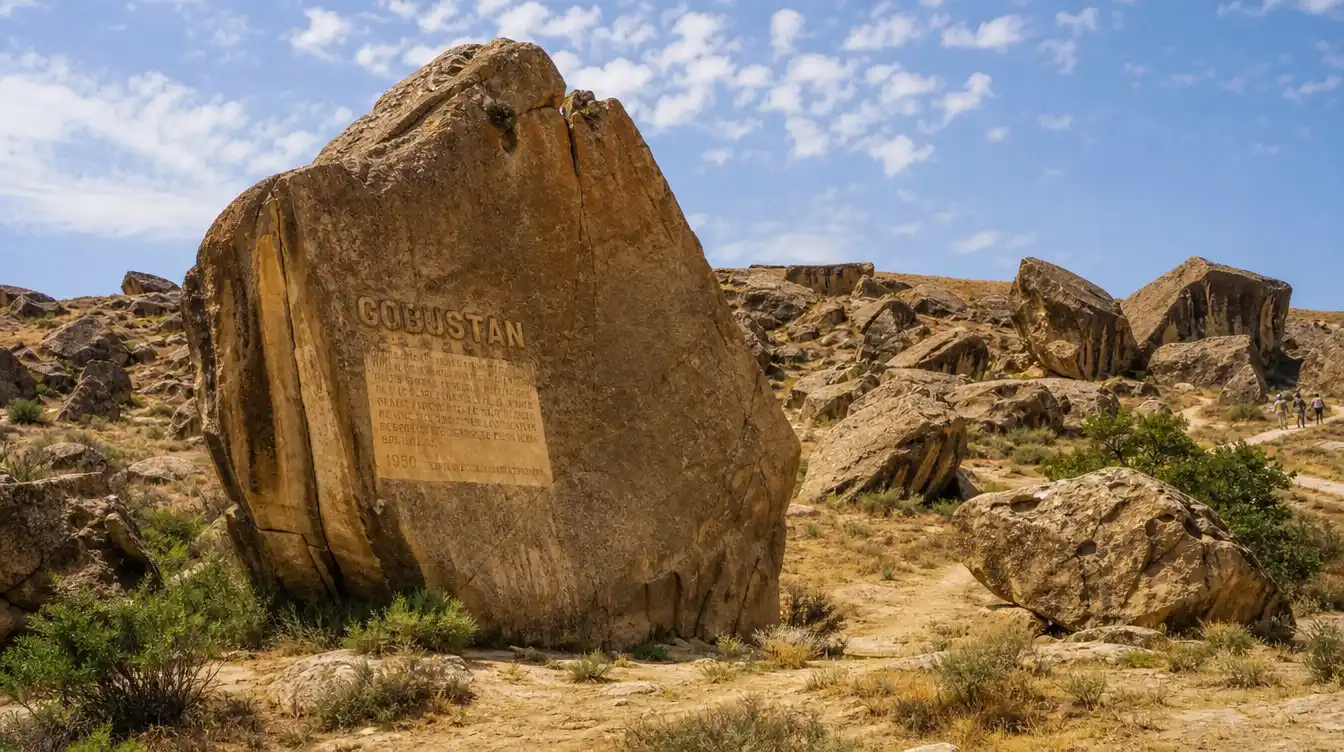
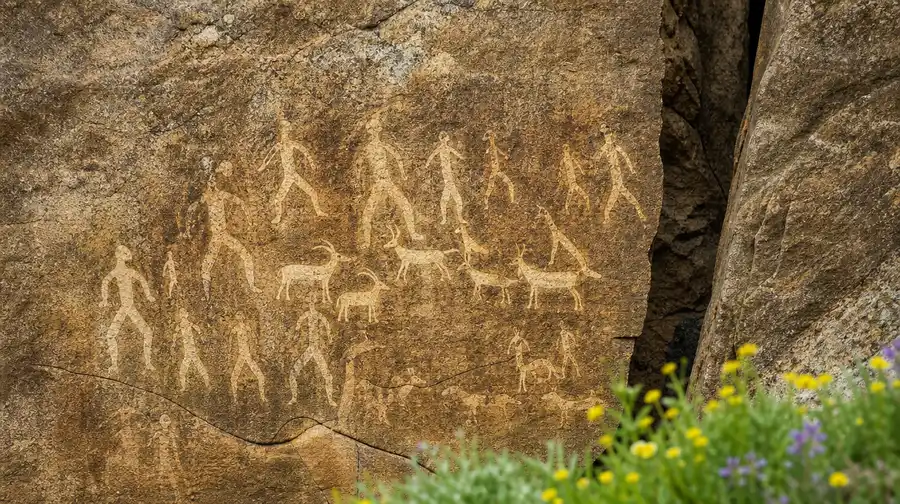
Standing on the dusty plains of Gobustan, gazing at ancient petroglyphs carved into a rocky landscape, you quickly understand that the elements play a huge role here. The sun beats down, the wind whips across the semi-desert, and the air can shift from biting cold to stifling heat faster than you might expect. Understanding the local gobustan weather is not just a good idea, it is absolutely essential for a comfortable and memorable visit. This guide is all about helping you prepare for whatever the Azerbaijani sky throws your way. We will dive into the distinct seasons, offer specific packing advice, and share a few local insights to make sure your trip to this incredible UNESCO World Heritage site is as enjoyable as possible, no matter when you decide to go. Forget those vague forecasts; we are talking real-world conditions.Book your gobustan experience:
Understanding the Gobustan Climate: A Desert's Edge
Gobustan sits in a fascinating spot, right on the edge of a semi-desert climate zone, close to the Caspian Sea. This means a few things for the gobustan weather. You get very hot, dry summers and fairly cold winters. Spring and autumn are often delightful, but they can surprise you with sudden shifts. Humidity is usually low, which is a blessing in the summer heat, making those 40-degree Celsius days feel a little less oppressive than they might elsewhere. The landscape itself tells a story about the climate. Those ancient rock carvings, exposed to millennia of sun and wind, show how relentless the environment can be. There are no lush forests here, just hardy shrubs and vast, open spaces. This openness means wind is a constant companion, sometimes a gentle breeze, other times a powerful gust that can kick up a lot of dust. I remember one February trip, the wind was so strong it practically blew my hat off my head as I walked between the museum and the main rock art site. It was quite an experience.Note: While Gobustan generally experiences a semi-desert climate, its proximity to the Caspian Sea can sometimes moderate extreme temperatures, especially in winter. Still, do not underestimate the desert-like conditions.
Spring and Autumn: The Golden Windows for Gobustan Weather
Most people will tell you that spring and autumn are the absolute best times to visit Gobustan, and honestly, they are right. The temperatures are much more agreeable, sitting comfortably between 15 and 25 degrees Celsius on most days. This makes exploring the outdoor museum and hiking around the mud volcanoes a real pleasure. You can wander for hours without feeling completely drained by the sun. Spring, from April to early June, brings a touch of green to the usually barren landscape, and the air feels fresh. Autumn, from September through October, offers similarly pleasant conditions with clear skies. Rain is possible during these shoulder seasons, but it usually comes in short bursts and clears up quickly. You might get a few showers, but nothing that should derail your plans entirely. This is when you will see the most tour groups, so keep that in mind if you prefer fewer crowds.| Month | Average High (°C) | Average Low (°C) | Average Rainfall (mm) |
|---|---|---|---|
| March | 10 | 3 | 25 |
| April | 17 | 8 | 20 |
| May | 23 | 14 | 15 |
| September | 25 | 17 | 10 |
| October | 19 | 11 | 25 |
| November | 13 | 6 | 30 |
Summer's Scorching Embrace: Hot and Dry
If you are planning a summer trip, usually from June to August, be prepared for serious heat. Temperatures regularly climb into the high 30s Celsius, sometimes even hitting 40 degrees. The sun is intense, beating down with little shade available anywhere on the sites. This is where those low humidity levels become a small comfort, but it is still a dry, parching heat that demands respect. Visiting during summer means you absolutely must adjust your schedule. Early mornings are your friend, as are late afternoons. Trying to explore between 11 AM and 4 PM is just asking for trouble, honestly. The rocks radiate heat, and the open spaces offer no respite. Hydration becomes your number one priority. I saw one tourist faint near the museum entrance one August; it was a stark reminder of the dangers.- Start early: Aim to be at the site right when it opens, usually around 9 AM. You will beat the worst of the heat and some of the crowds.
- Hydrate constantly: Carry at least 2-3 liters of water per person. More is better. There are some small shops, but do not rely on them.
- Seek shade: The museum offers air conditioning. Use it. Rest inside for a bit before heading back out.
- Protect your skin: Wide-brimmed hats, sunglasses, and high-SPF sunscreen are non-negotiable. Long, loose clothing can also help.
Book your gobustan experience:
Winter's Chill: A Different Perspective on Gobustan Weather
Winter in Gobustan, spanning from December to February, offers a completely different experience. The crowds thin out considerably, and the landscape takes on a stark, almost melancholic beauty. Temperatures hover between 0 and 10 degrees Celsius, but the strong winds can make it feel much colder. It is not uncommon for temperatures to drop below freezing, especially at night. Snow is rare, but it does happen. A light dusting can transform the ancient carvings into something truly magical, a sight very few visitors ever get to witness. However, the paths can become slippery, and the overall conditions are much harsher. If you do go in winter, bundle up. Layers are key, and a good windproof jacket is your best friend. The mud volcanoes, which are generally accessible year-round, can be particularly messy if there has been any rain or snow. For more details on visiting these unique formations, check out our guide to the Gobustan Mud Volcanoes.Pro tip: Always check the local forecast, like on AccuWeather Gobustan or by searching "gobustan hava durumu" or "meteo gobustan" a day or two before your visit. Conditions can change quickly, especially with the Caspian Sea nearby.
What to Pack and Practical Tips for Any Season
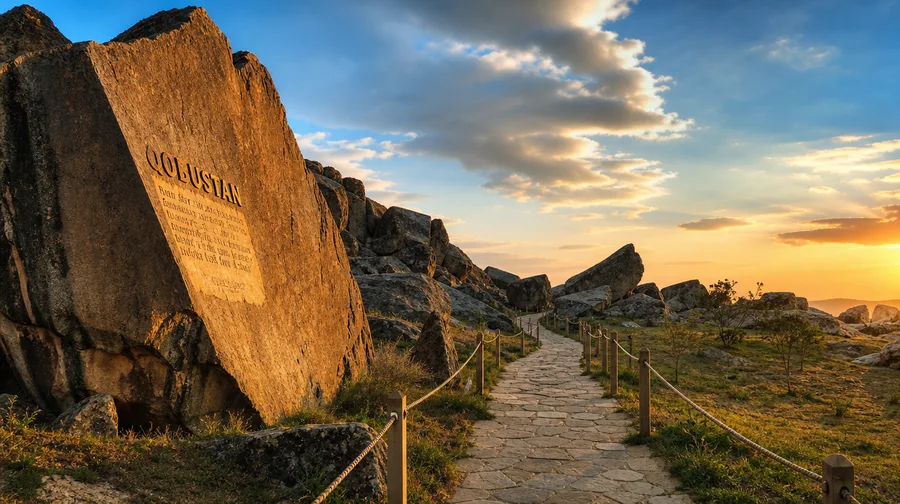
Preparing for the gobustan weather means thinking smart about your gear. No matter the season, the sun can be strong, and the terrain is uneven. Comfortable walking shoes are a must. You will be doing a fair bit of walking on rocky paths. For summer, light, breathable clothing is essential. Think linen or cotton. A wide-brimmed hat, sunglasses, and plenty of sunscreen are non-negotiable. And water. So much water. In spring and autumn, layers are your best bet. A light jacket or a fleece will be useful for cooler mornings or evenings, or if the wind picks up. For winter, really layer up. Thermal underwear, a warm sweater, a heavy, windproof coat, a hat, gloves, and sturdy waterproof boots are what you need. Trust me on the wind.- Footwear: Sturdy, closed-toe walking shoes or light hiking boots are ideal for navigating the rocky terrain.
- Headwear: A wide-brimmed hat for sun protection in summer, or a warm beanie for winter.
- Hydration: Always carry more water than you think you will need, especially from May to September.
- Sun Protection: Sunglasses and high-SPF sunscreen are vital year-round.
- Layering: Essential for spring, autumn, and winter to adapt to changing temperatures and wind.
Frequently Asked Questions about gobustan weather
What is the hottest month in Gobustan?
July and August are typically the hottest months, with average high temperatures often exceeding 35°C (95°F).
Does it ever snow in Gobustan?
Snow is rare but possible during the winter months, usually in January or February. It is typically a light dusting rather than heavy snowfall.
Is Gobustan very windy?
Yes, Gobustan is often quite windy, especially due to its open, semi-desert landscape and proximity to the Caspian Sea. The wind can make temperatures feel much colder in winter and provide some relief in summer.
What is the best time of day to visit Gobustan in summer?
The best time to visit in summer is early morning (right after opening) or late afternoon (after 4 PM) to avoid the peak heat of the day.
Quick Reference
- Climate: Semi-desert
- Hottest Months: July, August (35-40°C)
- Coldest Months: January, February (0-10°C)
- Best Seasons: Spring, Autumn
- Wind: Frequently windy
Book your gobustan experience:
My Take on Gobustan Weather
Gobustan is an extraordinary place, full of history and raw natural beauty. The weather, while sometimes challenging, is an integral part of that experience. It shapes the landscape, influenced the ancient inhabitants, and will certainly shape your visit. Don't let the heat or the cold deter you. Just go prepared. Pack smart, stay hydrated, and embrace the elements. You will leave with stories to tell and a deeper appreciation for this unique corner of the world. Trust me, it is worth the effort to plan ahead for the conditions.Read more about gobustan.