Beyond the Petroglyphs: Other Sights in Gobustan
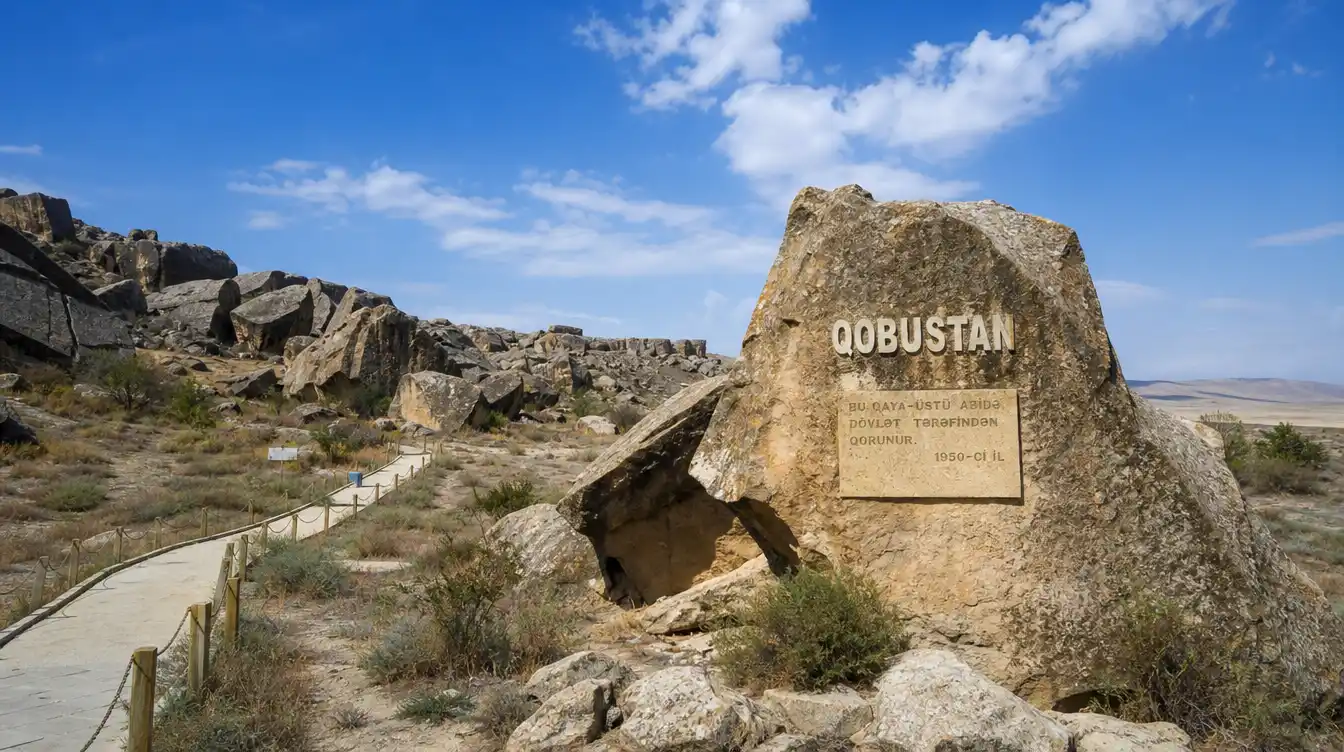
Most visitors to Gobustan come for the ancient petroglyphs, those fascinating rock carvings that tell stories from millennia ago. And honestly, they are absolutely worth the trip. However, if you linger a bit longer, venturing beyond the main archaeological reserve, you will find a landscape rich with other narratives, from natural wonders to stark historical sites. This includes the infamous gobustan prison, a place many locals know but few tourists ever see. This article aims to peel back another layer of Gobustan, revealing some of its lesser-known corners. We will explore ancient astronomical sites, natural gas phenomena, and even a quiet stretch of coastline. So, if you are the kind of traveler who enjoys digging a little deeper, come along.Book your gobustan experience:
The Shadow of Gobustan Prison
The name "Gobustan" itself often brings up two very different images for Azerbaijanis: the ancient rock art, and the modern maximum-security correctional facility. This infamous gobustan prison stands as a stark, concrete counterpoint to the ancient history of the region. It is not, and frankly, should not be, a tourist attraction. This is a working prison, a place of serious modern history and ongoing human stories, mostly tragic. It sits a few kilometers from the main archaeological park, often visible from the road if you know where to look. You will not find any signs pointing to it for visitors, nor should you attempt to approach it. Its presence is a reminder of the complex layers of any place, how ancient history and contemporary life, even its darker aspects, can coexist in the same landscape. I think it is important to acknowledge its existence when talking about the broader Gobustan area. It anchors the region in a very different kind of reality than the one presented by the ancient petroglyphs.Whispers from the Past: Gobustan's Ancient Observatory and Gas Stones
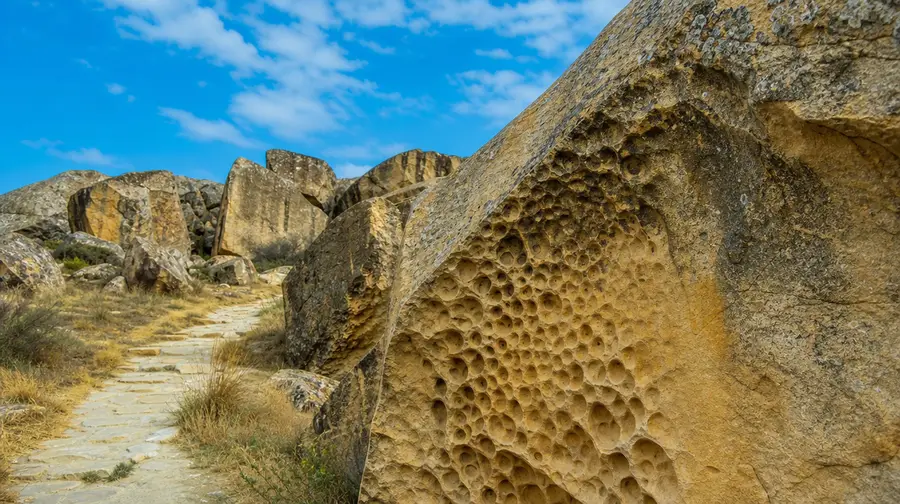
Beyond the famous rock art, Gobustan holds other intriguing geological and archaeological features. One such site is often referred to as the gobustan ancient observatory. This is not a traditional observatory with telescopes, of course, but rather a collection of naturally occurring rock formations, some with intriguing holes and alignments that suggest early humans may have used them to track celestial movements. It is an amazing thought, imagining our ancestors using these very rocks to understand the cosmos. Nearby, you might also encounter what locals call "gas stones in Gobustan." These are specific rocks that, when struck in a certain way, produce a resonant, almost metallic sound. The phenomenon is due to the unique geological composition of the stones and the way they have weathered. Some theories link their sonic properties to ancient rituals or communication. While exploring the main reserve, keep an eye out for these. They are usually marked or pointed out by guides. The Gobustan National Park Museum does a great job explaining these geological quirks and their potential significance, giving you a deeper appreciation before you even step outside.Pro tip: Hiring a local guide, especially one who knows the area beyond the main petroglyph site, is invaluable. They can point out these less obvious features and share local folklore that brings the landscape to life.
The Enduring Flames: Gobustan Ateshgah and Natural Gas Phenomena
When people talk about an Ateshgah in Azerbaijan, they usually mean the famous Zoroastrian Fire Temple near Baku. However, the Gobustan region, like much of Azerbaijan, is part of the "Land of Fire," blessed with natural gas seeps that have ignited spontaneously for centuries. While there is no grand Gobustan Ateshgah structure, the very landscape around you is alive with the potential for such phenomena. You might not see a constantly burning flame like at Yanar Dag, the famous burning mountain near Baku, but the presence of natural gas is palpable. It is what contributes to the mud volcanoes in the area, and sometimes, you can even smell the faint scent of gas in certain spots. The "gas stones" mentioned earlier are another manifestation of this unique geology. It is a reminder that the land itself has always been a source of wonder and, perhaps, spiritual significance for those who lived here. This raw, untamed aspect of nature is a huge part of Gobustan's charm, making it a truly unique destination for anyone interested in both human and geological history. For more on the fiery landscape, you could check out this article on the Gobustan Mud Volcanoes.Book your gobustan experience:
A Moment by the Water: Gobustan's Artificial Lake and Coastline
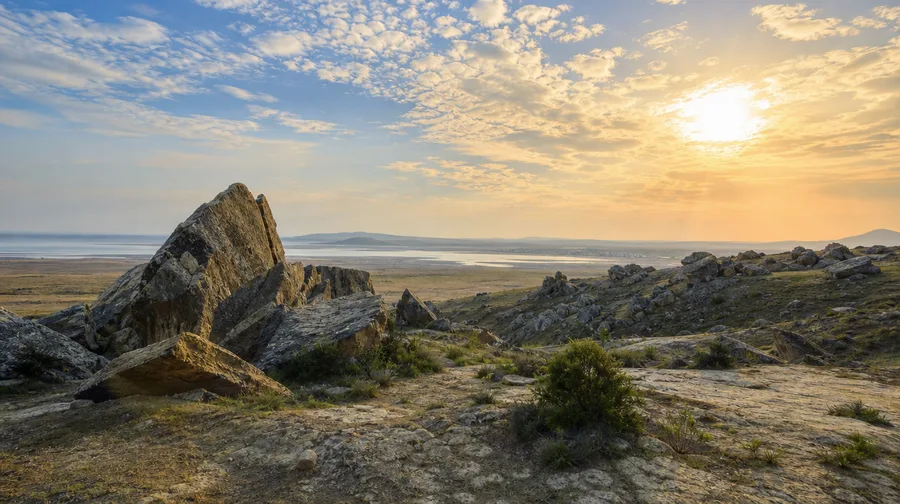
Few people associate Gobustan with water, but just a short drive from the arid, rocky landscape of the petroglyphs, you will find a different scene entirely. The Gobustan region extends to the Caspian Sea, offering glimpses of a quieter, more local coastline. There is also a feature known as Gobustan Suni Göl, which translates to Gobustan Artificial Lake. This lake was created primarily for irrigation and local water supply, a testament to human ingenuity in a dry climate. It is not a scenic lake for recreational boating, but rather a functional body of water that supports local agriculture and provides a habitat for some birdlife. The surrounding area is often quiet, offering a peaceful contrast to the bustling tourist sites. Further east, towards the sea, you can find stretches of Gobustan beach. These are not the manicured resort beaches of Baku, but rather wild, undeveloped coastlines. You might see local fishermen, or just enjoy the vastness of the Caspian Sea stretching to the horizon. It is a place for quiet contemplation, maybe a picnic, and a chance to see a less-traveled side of Azerbaijan's coast.Note: Access to some of these lesser-known sites, particularly the ancient observatory areas or specific gas stones, might require a 4x4 vehicle or a local guide who knows the specific tracks. Do not try to wander off marked paths alone.
Practicalities for Exploring Beyond the Main Site
Venturing beyond the main Gobustan Archaeological Reserve requires a bit more planning than simply visiting the petroglyphs. The sites are scattered, and public transport options are limited.- Transport: The easiest way to explore these outlying areas is by hiring a private taxi for the day or joining a specialized tour. Negotiate the price upfront. Some drivers might not know the exact locations of the "ancient observatory" or specific gas stones, so having a guide or clear directions is key.
- Footwear: Always wear sturdy, comfortable walking shoes. The terrain can be uneven, rocky, and sometimes muddy, especially after rain.
- Water & Snacks: Services are sparse outside the main visitor center. Carry plenty of water and some snacks, particularly if you plan on spending several hours exploring.
- Sun Protection: The sun can be intense, even outside of summer. A hat, sunglasses, and sunscreen are essential.
| Destination | Approx. Distance (km) | Estimated Drive Time (min) | Accessibility Notes |
|---|---|---|---|
| Gobustan Prison (view from road) | ~7 | 10-15 | Not accessible to public, view from main road only. |
| Ancient Observatory/Gas Stones | ~3-5 | 5-10 | Often within or near main reserve, some require slight detours. |
| Gobustan Suni Göl | ~15 | 20-25 | Accessible by paved roads, then local tracks. |
| Gobustan Beach (undeveloped) | ~20-25 | 30-40 | Requires local knowledge for best access points. |
Frequently Asked Questions about gobustan prison
Can tourists visit gobustan prison?
No, Gobustan Prison is a functioning maximum-security correctional facility and is strictly off-limits to tourists. It is not a historical site or museum.
Are there other ancient sites in Gobustan besides the petroglyphs?
Yes, the broader Gobustan area features sites like the "ancient observatory" (rock formations used for celestial tracking) and various "gas stones" which produce unique sounds, indicating other aspects of early human life and geological wonders.
Is it safe to explore the more remote areas of Gobustan alone?
It is generally safer and more advisable to explore remote areas with a local guide or as part of an organized tour. Some areas might have uneven terrain, limited cell service, or require specific vehicle types.
Quick Reference
- Gobustan Prison is not a tourist attraction.
- "Ancient observatory" refers to rock formations used by early humans.
- Gas stones produce unique sounds.
- The region has natural gas seeps, but no structured "Gobustan Ateshgah."
- Suni Göl is an artificial lake for local use.
- Caspian Sea coastline is nearby, but undeveloped.
Book your gobustan experience:
My Take
Gobustan is so much more than its famous petroglyphs. While those ancient carvings are undeniably the main draw, taking the time to explore the surrounding landscape reveals layers of history, geology, and even modern life that paint a richer, more complex picture of this corner of Azerbaijan. From the somber presence of gobustan prison to the subtle wonders of the ancient observatory and the quiet shores of the Caspian, there is a depth here that rewards the curious traveler. Honestly, stepping off the well-trodden path is where some of the best travel memories are made.Read more about gobustan.